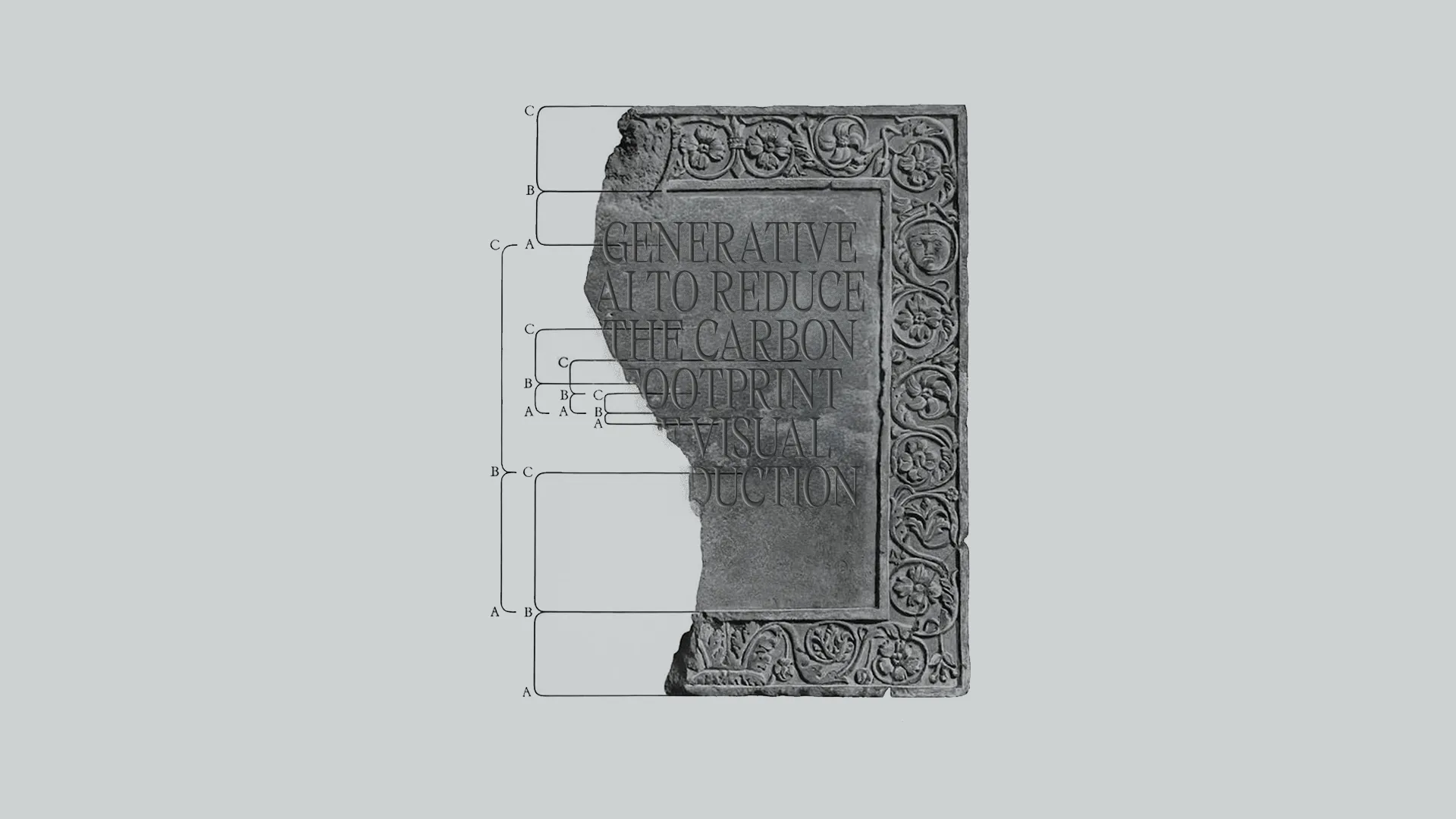
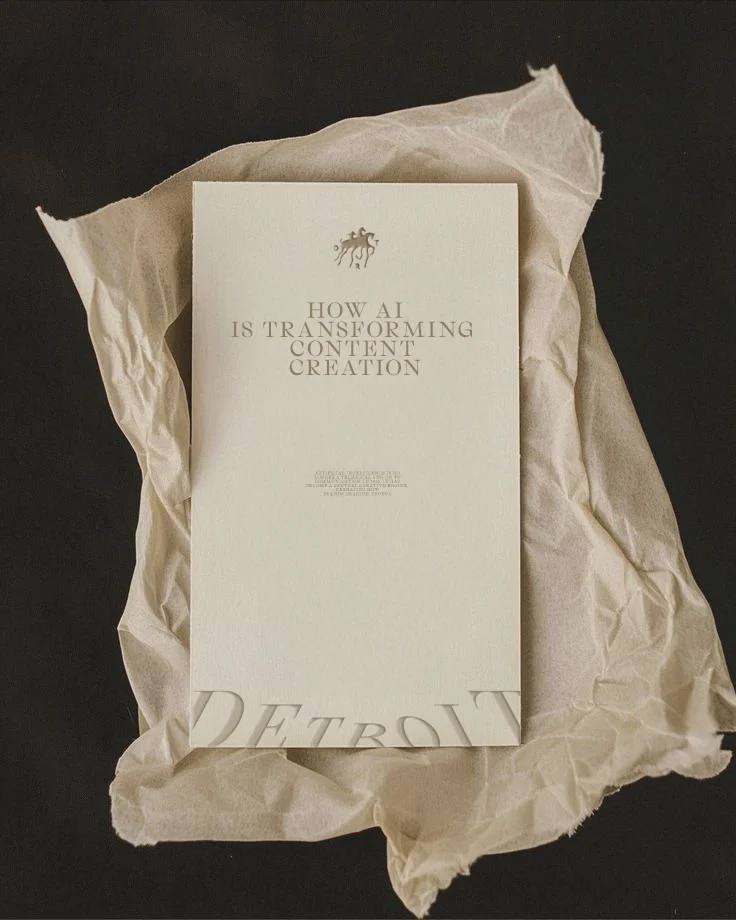
For a long time, luxury kept AI at a distance. Too technical, too cold, too far from craftsmanship and emotion. Today, generative AI is reshaping that relationship. Used with taste, precision and strong artistic direction, AI is no longer a threat but a powerful creative ally, allowing luxury brands to expand their cultural universes without compromising identity or excellence.
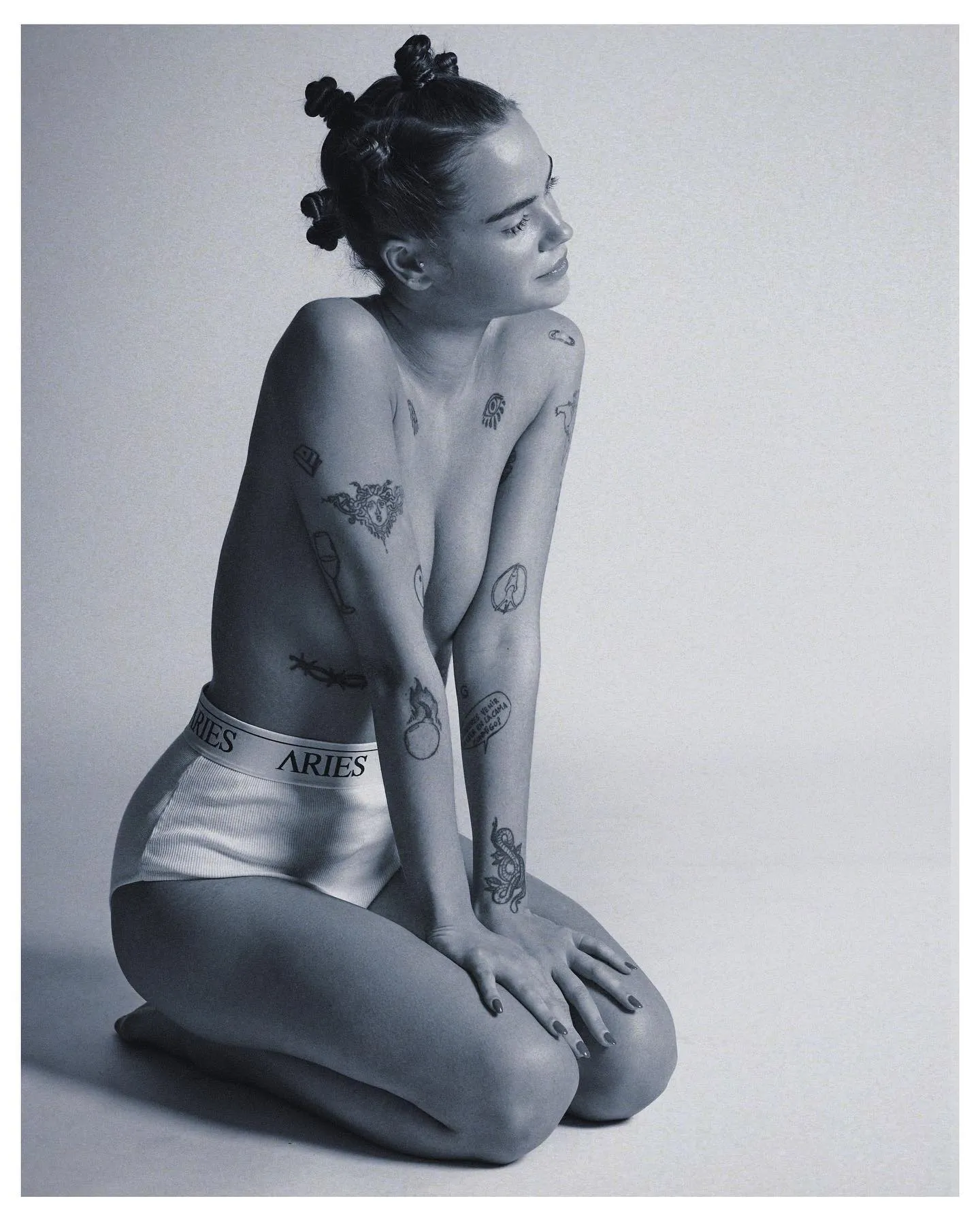



For years, luxury houses kept artificial intelligence (AI) at a distance. The technology felt too cold, too technical, too far removed from the emotional, artisanal and cultural foundations of luxury. AI was perceived as a futurist fantasy rather than a tool compatible with heritage, craftsmanship or creative excellence.
But the rise of generative AI has triggered a profound shift. Mindsets are evolving, and the luxury sector is entering a new phase: one of curiosity, controlled experimentation, and selective adoption. The question is no longer whether AI should be used — but how to use it without compromising the essence of luxury.
Luxury has always been cautious when embracing new technologies. The same happened with social media ten years ago: first skepticism, then prudence, then a measured and highly curated integration.
Today, luxury approaches AI through a similar lens.
Houses now recognize that AI can support their objectives in a context where:
- the luxury market slowed in 2024,
- China presents new strategic challenges,
- brands must produce more content, faster, for more channels,
- creative teams are under pressure to maintain quality across formats.
Crucially, luxury has identified a key principle:
AI must remain invisible.
It must serve creativity, never overshadow it, and never distort the identity of the Maison.
As one industry expert puts it:
“AI is not the problem — bad taste is.”
Used with refinement, direction, and artistry, AI becomes an amplifier rather than a threat.
Modern luxury is no longer defined only by objects. It is increasingly expressed through culture, storytelling and immersive experiences.
We saw early signals of this shift with:
- Louis Vuitton using Lightning (Final Fantasy) as a virtual ambassador,
- Balmain integrating digital 3D models in campaigns.
These initiatives opened the door for the next evolution: AI-assisted cultural worlds.
A clear example is Louis Vuitton’s Enigma experience launched on Discord in 2024 — an immersive digital game blending narrative, gamification, community dynamics and LV’s signature aesthetic. The entire experience extended the Maison’s universe while remaining faithful to its codes.
This illustrates a simple truth:
AI allows luxury brands to expand their creative universes and speak to new generations, without diluting their identity.
Working with AI inside the luxury ecosystem requires a very specific approach — one rooted in craftsmanship, curation, and artistic direction.
High-end AI creation is not “pressing a button.”
It often involves generating hundreds of variations, selecting only a handful, refining them through retouching, compositing, or 3D work, and ensuring every detail aligns with the Maison’s visual codes.
This process mirrors traditional craftsmanship:
multiple iterations, careful selection, attention to light, materials, textures, and emotional resonance.
The role of the artist, the creative director, and the brand custodian becomes even more essential.
Luxury brands demand originality, authenticity and trust.
This makes ethical AI usage non-negotiable.
Key principles include:
- Never imitating existing photographers or artists without rights
- Avoiding prompts like “in the style of…”
- Ensuring human authorship remains predominant
- Guaranteeing originality and avoiding generative plagiarism
- Maintaining brand safety, IP integrity and creative sovereignty
These rules preserve what makes luxury desirable: uniqueness, integrity, scarcity, and artistic authorship.
Even with these strict standards, luxury houses now see AI as a strategic asset - not for shortcuts, but for creative acceleration and cultural relevance.
AI allows teams to produce visual assets in days rather than weeks.
- Essential for:
- social-first content
- e-commerce assets
- rapid activations
- global adaptations
AI can enhance direction and precision.
Textures, light, composition, and refinement can be controlled to an exceptional degree.
AI unlocks visual territories that were previously impossible to shoot:
conceptual worlds, dreamlike atmospheres, hyper-detailed environments, or hybrid cinematic styles.
A traditional luxury shoot can reach very high budgets.
AI allows the creation of high-end visual ecosystems at lower cost — while maintaining excellence.
Fewer flights, fewer sets, fewer physical resources.
For luxury groups focused on CSR, this is a strategic advantage.
Looking ahead, many experts predict that within five years, a large percentage of print visuals and video assets will involve AI at some stage. Not to replace traditional artistry, but to support it, expand it, and scale it.
The philosophy emerging in luxury is often described as “Quiet Tech” — innovation that stays discreet, refined, invisible, and entirely at the service of beauty.
The more AI becomes widespread, the more the difference will be made by: taste, artistic direction,cultural literacy,creative daring, and flawless execution.
Luxury will continue to value craftsmanship, but AI will become the new creative companion behind the scenes.
Bringing luxury excellence into the world of AI is not about replacing heritage with technology.
It is about combining the precision of algorithms with the intuition of creators, to produce work that is richer, more refined, and more culturally meaningful.
AI accelerates and amplifies.
But taste, vision, and artistry remain the foundation.
When orchestrated with expertise, AI becomes a powerful tool for elevating the identity, storytelling and beauty of the world’s greatest Maisons, ensuring that the dream of luxury not only remains intact, but grows.